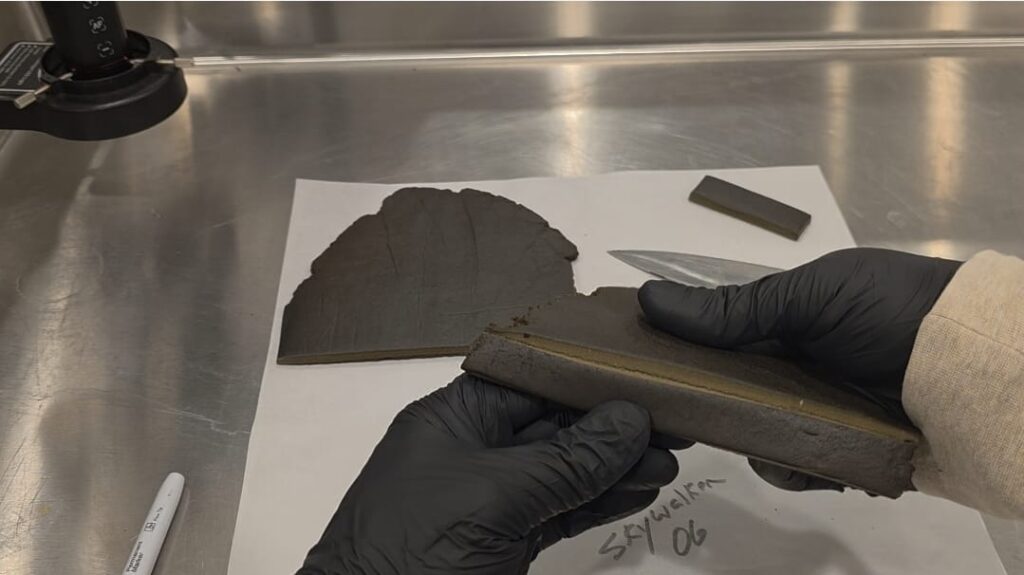
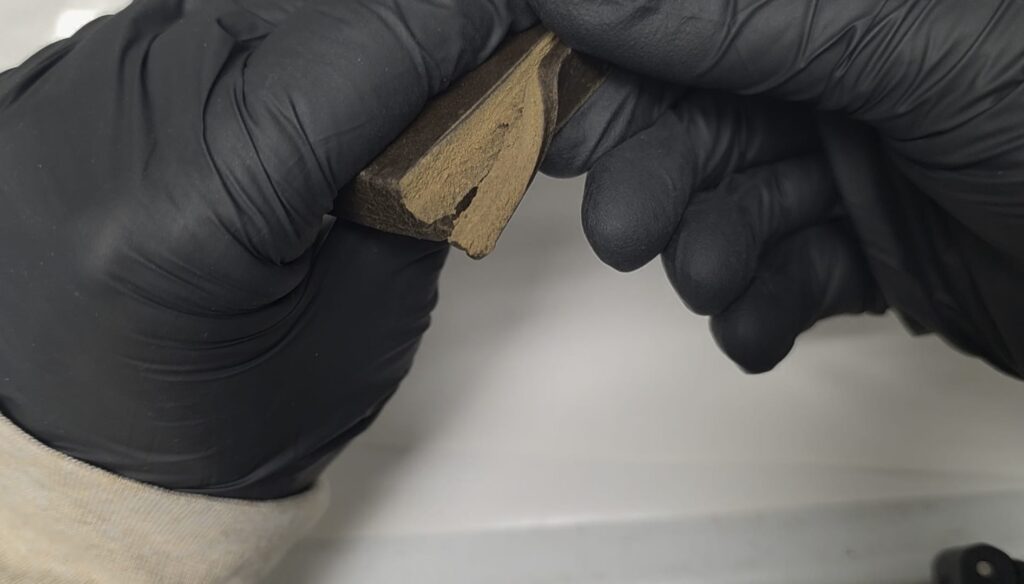
Picture this: you’re kicking back, the sweet scent of cherries fills the air, and a wave of euphoria washes over you like a warm Seattle breeze. That’s the magic of Cherry Gorilla Hashish, one of the crown jewels in We Got Gaz’s premium hashish lineup. This isn’t just any hash—it’s a sensory journey crafted from the finest kief of the Cherry Gorilla strain, a hybrid that’s as bold as it is balanced. Ready to dive into the world of this cannabis superstar? Let’s explore its roots, flavors, effects, and why it’s a must-have for any hashish enthusiast. A Star is Born: The Lineage of Cherry Gorilla Cherry Gorilla, sometimes called Cherry Gorilla Glue, is a balanced hybrid (50% indica/50% sativa) that brings together two cannabis titans: Gorilla Glue #4 (GG4) and Black Cherry Pie. This powerhouse strain was bred by In House Genetics, a renowned name in the cannabis world, right in the heart of Seattle, Washington—a city that’s been a hotbed for innovative cannabis breeding since the early 2000s. The result? A strain that’s as versatile as it is potent, with buds so resinous they practically beg to be turned into hashish. Seattle’s rainy, creative vibe shines through in Cherry Gorilla, making it a fitting tribute to the Pacific Northwest’s cannabis legacy. Why Cherry Gorilla is Hashish Heaven Hashish is all about concentrating the best parts of the cannabis plant, and Cherry Gorilla is a natural fit. Its trichome-rich buds—those tiny, crystal-like structures packed with cannabinoids and terpenes—are a kief-maker’s dream. At We Got Gaz, we carefully collect this kief to craft our Cherry Gorilla Hashish, ensuring every gram is bursting with flavor and potency. The strain’s high resin content, inherited from GG4’s sticky legacy, makes it ideal for hashish production. When processed, the kief retains the strain’s full terpene profile, delivering a smoke that’s as smooth as it is powerful. Whether you’re a seasoned hash head or a curious newbie, Cherry Gorilla Hashish offers an experience that’s both approachable and unforgettable. A Flavor Explosion: What to Expect Open a jar of Cherry Gorilla Hashish, and you’re hit with an aroma that’s like a cherry orchard meets a diesel garage. The flavor profile is a delightful dance of contrasts: This flavor combo is no accident. The terpenes—like myrcene (earthy, relaxing), limonene (citrusy, uplifting), and caryophyllene (spicy, stress-relieving)—work together to create a taste that’s as complex as a fine wine. When smoked or vaped, the hashish delivers a smooth, flavorful hit that lingers on the palate, inviting you to savor every moment. Effects: A Balanced Bliss Ride Cherry Gorilla Hashish is all about balance, offering a high that’s as versatile as your favorite playlist. With THC levels typically ranging from 18% to 22%, it packs a punch that’s potent but not overwhelming, making it suitable for a wide range of users. Here’s what you can expect: Whether you’re unwinding after a long day, sparking inspiration for a creative project, or seeking relief from physical discomfort, Cherry Gorilla Hashish delivers a balanced bliss that hits all the right notes. The We Got Gaz Difference: Quality You Can Trust At We Got Gaz, we don’t just sell hashish—we craft experiences. Our Cherry Gorilla Hashish is made with premium kief sourced from hemp grown in the USA using organic practices, ensuring a pure, high-quality product that tests at or below 0.3% Delta-9 THC for legal compliance. Every batch is rigorously tested by third-party labs to guarantee potency, purity, and safety, so you can enjoy with confidence. We’re passionate about preserving the strain’s terpene profile and cannabinoid content, which is why we use only the finest kief. Our growers, rooted in the same innovative spirit as Seattle’s cannabis pioneers, prioritize sustainability and quality, ensuring that every puff of Cherry Gorilla Hashish is a testament to their craft. How to Enjoy Cherry Gorilla Hashish The beauty of hashish lies in its versatility, and Cherry Gorilla is no exception. Here are some ways to savor this potent delight: No matter how you choose to enjoy it, start low and go slow, especially if you’re new to hashish. Cherry Gorilla’s potency is no joke, and a little goes a long way! A Fun Fact to Spark Your Curiosity Did you know that Cherry Gorilla’s parent strain, Gorilla Glue #4, got its name from its insanely sticky resin that clings to everything like glue? Legend has it that growers needed scissors to handle the buds because their fingers kept sticking together! This resinous trait is what makes Cherry Gorilla such a perfect candidate for hashish, giving our product that extra kick of potency and flavor. It’s like the strain was born to be a hashish superstar! Why Cherry Gorilla Hashish Belongs in Your Stash Cherry Gorilla Hashish isn’t just a product—it’s a vibe. It’s the sweet cherry kiss of a Seattle summer, the diesel-fueled roar of a classic hot rod, and the warm embrace of a cozy night in, all rolled into one. Whether you’re a hashish veteran or just dipping your toes into the world of concentrates, this strain offers something for everyone. Its award-worthy lineage, mouthwatering flavor, and balanced effects make it a standout in our lineup, and we can’t wait for you to try it. Join the We Got Gaz Revolution At We Got Gaz, we’re more than a cannabis brand—we’re a community of enthusiasts who believe in the power of quality, flavor, and fun. Our Cherry Gorilla Hashish is a testament to that ethos, crafted with care to bring you the best of what cannabis has to offer. Ready to take your smoke sesh to the next level? Head over to We Got Gaz to snag your Cherry Gorilla Hashish and explore our full range of premium THCA products. Let’s spark some joy together! Warning: This product is potent—start low and go slow, especially if you’re new to high-THC hashish. Must be 21+ to purchase. Keep out of reach of children. Sources: